
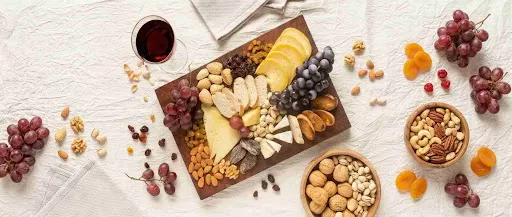
When people start going on about a perfect charcuterie board, it seems like they are trying to solve some high stakes problem. That is not the vibe you want. If you are hosting, focus on a warm mood. You want guests to relax and snack; not stand there like they are in a display room.
Most people just want tasty bites and real conversation. So, for now, set aside the need to make everything flawless. Here is what we will do. We will walk through how to put together a board that looks good, feels natural, and gets people reaching for more. First, we will spot why some boards fall flat. Then we will make sure yours works.
A memorable board thrives on texture contrast. You need a fight between salty, sweet, creamy, and loud crunchy elements.
Meat anchors the entire spread. You need a solid mix of cuts to keep your guests reaching for more. Start with thin sliced prosciutto, it just melts on the tongue and gives that delicate salty note. Next, grab a thick, stubborn hard salami. You want that physical chew and deep garlic flavor. Throw in a spicy capicola or chorizo to finish the trio. That quick hit of heat cuts right through the heavy animal fat.
Cheese dictates your board's layout. The absolute best cheese for charcuterie hits three totally different notes. First, grab a firm block like a sharp, crumbly cheddar. Second, buy a soft wheel. A double-cream brie always wins here because people love smearing it on toasted bread. Finally, you need a weird one. A pungent blue cheese or an ash-coated goat cheese works as a brilliant conversation starter.
Dairy and fat coat your mouth incredibly fast. You desperately need acid and snap to break up that richness. Handfuls of salted pistachios do the heavy lifting for crunch. Toss in bright green Castelvetrano olives or tiny cornichons for a massive brine hit. Fresh blackberries and dried figs add a sticky, natural sweetness. These little extras turn a heavy meat plate into a balanced snack.
Staring at an upscale deli counter usually triggers instant decision fatigue. The crazy volume of imported jars and foreign labels ruins the shopping trip before it even begins.
That said, the 3-3-3-3 rule strips away all that grocery store anxiety. Caterers use this exact math to guarantee a flawless spread every single time.
This simple framework forces visual variety onto your board without making you overthink the flavor pairings. It serves as a foolproof safety net when you need quick charcuterie board ideas.
I once hosted a casual backyard fire and ran out of food in twenty minutes flat. Watching hungry friends aggressively scrape an empty jam jar is deeply embarrassing. Figuring out your portion sizes ahead of time prevents that exact nightmare.
Appetites shift wildly depending on the time of day. A late-night cocktail hour requires significantly less food than a Sunday afternoon football game.
Use this exact breakdown to draft your shopping list.
| Guest Count | Event Style | Total Meat Needed | Total Cheese Needed |
|---|---|---|---|
| 4 to 6 People | Casual Grazing | 12 ounces | 12 ounces |
| 4 to 6 People | Full Dinner Swap | 24 ounces | 24 ounces |
| 10 to 12 People | Casual Grazing | 24 ounces | 24 ounces |
| 10 to 12 People | Full Dinner Swap | 48 ounces | 48 ounces |
Always buy just a little more than your math dictates. Leftover smoked gouda makes a phenomenal grilled cheese the next day anyway.
A proper charcuterie board layout takes random grocery items and turns them into a centerpiece. You actually build it backward. Start with the most annoying, awkward items and end with the tiny fillers.
Put your messy, wet ingredients into small ceramic ramekins first. Sticky honey, coarse mustard, and oily olives will ruin your crackers if they touch. Place three or four of these little bowls miles apart on your wood surface. They act as your structural roadblocks.
Drop your cheeses evenly into the spaces between those bowls. Slice your hard cheeses into rough, uneven triangles before putting them down. Keep your soft brie whole but cut one fat slice out of it. An untouched wheel of cheese naturally intimidates guests.
Do not just slap flat, sad circles of meat onto the wood. You need some vertical height. Fold your salami pieces in half, then in half again. Shove them tightly together so they fan out. Drape the prosciutto in messy, airy piles.
Use your starches to create actual motion. Fan your crackers out in a curved line connecting a mustard bowl to a cheddar block. It should look just like a winding river cutting right through the food.
Naked wood makes a board look cheap. You want a feeling of wild, overflowing abundance. Grab your almonds, berries, and broken chocolate pieces. Dump them into every single empty crevice.
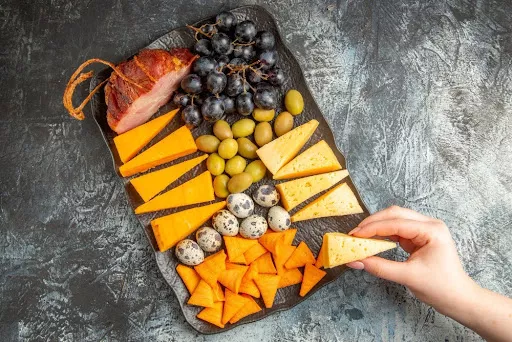
You have the layout blueprint and the exact shopping math in your back pocket. Now it is time to blow your friends away at the next gathering. A flimsy plastic tray instantly ruins the high-end illusion you just built. Contact Ace & Olive for stunning designs that provide the durable, beautiful charcuterie board to show your hosting skills.
You can easily slice cheeses and fold meats overnight if you wrap the platter tightly in plastic. Wait to add crackers and fruit until right before serving.
Hardwoods provide the safest and most durable foundation. Solid maple, deep walnut, and rich cherry wood resist deep knife gouges and prevent harmful bacteria from settling in completely.
Cured meat and dairy should remain at room temperature for a maximum of two hours. After this specific window, your risk of dangerous foodborne illness increases quite dramatically.
Stick to basic water crackers, toasted baguettes, and thin artisanal seed crisps. You absolutely need a plain base that highlights your expensive cheeses rather than fighting against them.
You must serve cheese at room temperature to unlock the best flavors. Pull everything from your refrigerator roughly forty minutes before anyone knocks on your front door.