Hosts across the globe arrange beautiful trays of savory food to welcome guests into their homes. People often look at these stunning wooden platters and use wrong names to describe them. You might call every party tray a cheese board or charcuterie board, without understanding the real difference between them.
True food lovers know that specific traditions separate these two popular party appetizers. Learning the exact differences between these two options helps you become a significantly better party host. Your guests will admire your attention to detail when you pair the right foods together.
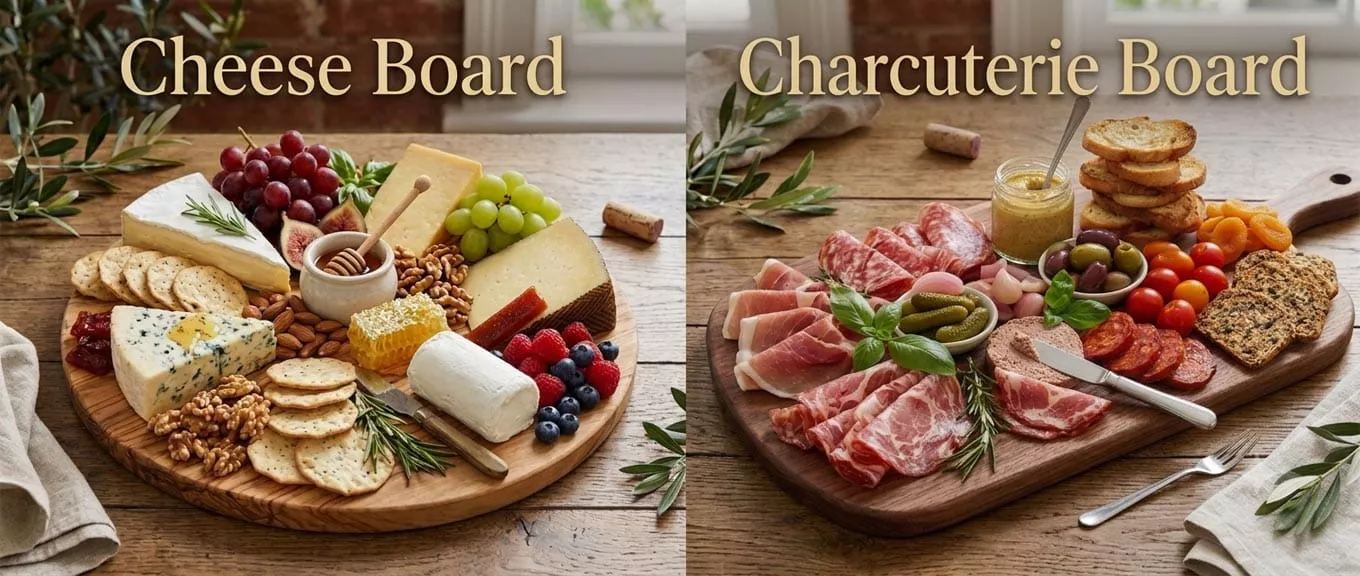
A cheese board is a proper dairy platter that puts magnificent dairy creations at the center of your entire table. It includes a wide variety of cheeses that offer completely different tasting experiences. Your guests will enjoy trying a soft brie next to a very sharp cheddar block. You should definitely include multiple types of cheese to keep everyone eating happily all evening. A great host understands how completely different milk profiles create a wonderful combination of flavor and texture.
The remaining items on your wooden tray simply support the main dairy attractions without stealing attention. Sweet honey and fresh fruits bring out the absolute best tastes hidden inside every single wedge. Crunchy crackers give your guests the perfect medium for eating soft spreads without making a mess. Every single bite offers a completely new experience that makes hungry people reach for another piece.
The original French creators developed this specific culinary term to describe the ancient craft of preserving meats. A charcuterie board is a true meat platter that focuses entirely on cured meats. Butchers spend a lot of time preparing excellent prosciutto salami and spiced whole muscle cuts for your enjoyment. The rich fats and heavy salts demand your full attention the moment you take your first bite.
Preserved meat on a charcuterie board is surrounded with acidic items that cut through heavy animal fats. Pickled vegetables and spicy mustards provide a sharp bite that keeps the rich flavors completely balanced. Salty olives add a nice briny taste that complements the savory pork products wonderfully. A simple crusty baguette works perfectly for stacking these wonderful ingredients together into a single delicious bite.
Here is a side by side look at what sets each board apart:
| Feature | Cheese Board | Charcuterie Board |
|---|---|---|
| Main Ingredient | Different types of cheese | Cured meats |
| Key Items | Brie, cheddar, gouda, goat cheese | Prosciutto, salami, pepperoni, Coppa |
| Accompaniments | Honey, fruit, crackers, nuts | Pickles, mustard, olives, cornichons |
| Flavor and Texture | Creamy, tangy, sharp, crumbly | Salty, smoky, rich, chewy |
| Best Occasion | Wine nights, brunches, dinner parties | Game days, cocktail hours, casual spreads |
Knowing these differences helps you plan the right board for every occasion.
Your guest list and your planned party activities dictate which wonderful option you should ultimately select. A morning brunch requires completely different food choices than a late evening cocktail gathering. Matching the food to the specific mood ensures your party becomes a huge success. This simple guide helps you make the absolute best decision for your upcoming special event.
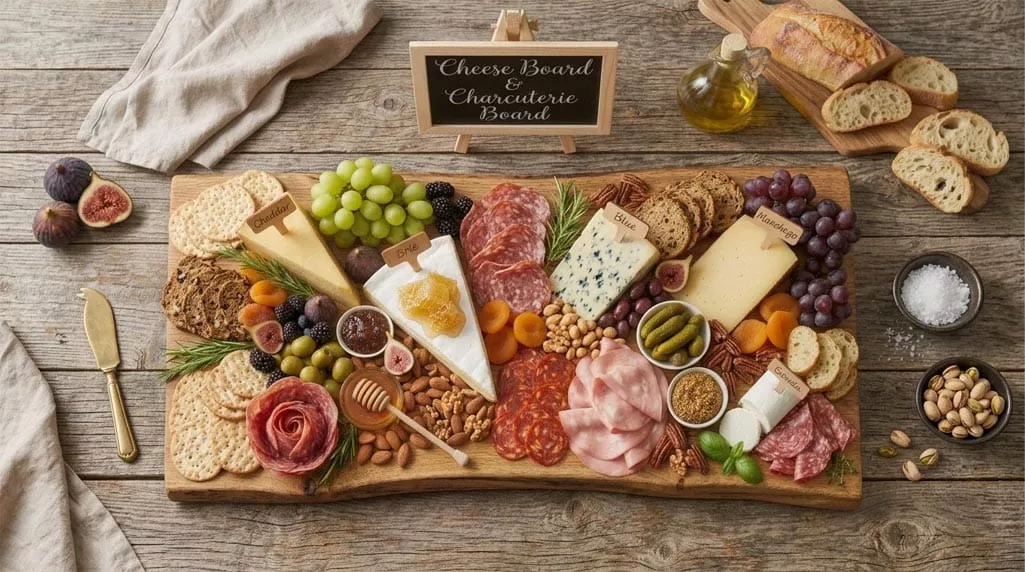
Modern party hosts love bringing both traditions together onto one massive wooden serving tray. Building a giant charcuterie and cheese board gives your hungry friends the absolute best of both worlds. The wonderful combination allows people to create endless exciting bite pairings throughout the entire gathering. You create absolute magic when you pair rich meat and cheese together on a single crispy cracker.
You must give the savory meats and the creamy wedges equal space on your large serving board. Arrange the sliced pork products generously across one distinct section of your beautiful wooden tray. Place the dairy wedges in another distinct area to provide a gorgeous visual contrast for your friends. Fill every empty gap with fresh green herbs and bright berries to make the display completely stunning.
Hosting an unforgettable gathering requires tremendous planning and endless hours of tedious food preparation. We absolutely love helping people create stunning food displays that amaze their close friends and family. Our dedicated culinary team curates the finest local ingredients to build spectacular grazing trays for your events. We expertly pair the most delicious savory meats and sweet fruits to deliver an incredible edible masterpiece.
You can completely relax and enjoy your wonderful party while we handle all the heavy lifting. Contact Ace & Olive today so we can design a stunning centerpiece for your next special celebration.
A cheese board highlights a variety of cheeses as the main feature, while a charcuterie board centers on cured meats like prosciutto and salami with cheese as a supporting element.
Yes, adding small portions of cured meats to a cheese board is common, but the cheese remains the primary focus and takes up the most space on the board.
IA good cheese board includes a soft cheese like brie, a firm mild option like gouda, a sharp aged variety, and a tangy goat cheese for balanced, interesting flavor.
Prosciutto is a popular choice but not required. You can use salami, Coppa, bresaola, or any quality cured meat that delivers bold and savory flavor and texture.
Three to five types of cheese work well for most boards. This range gives guests enough variety to explore different flavors without making the board feel cluttered or overwhelming.